What Is a Reserve Study?
Last updated November 1, 2026. General information, not legal or financial advice.
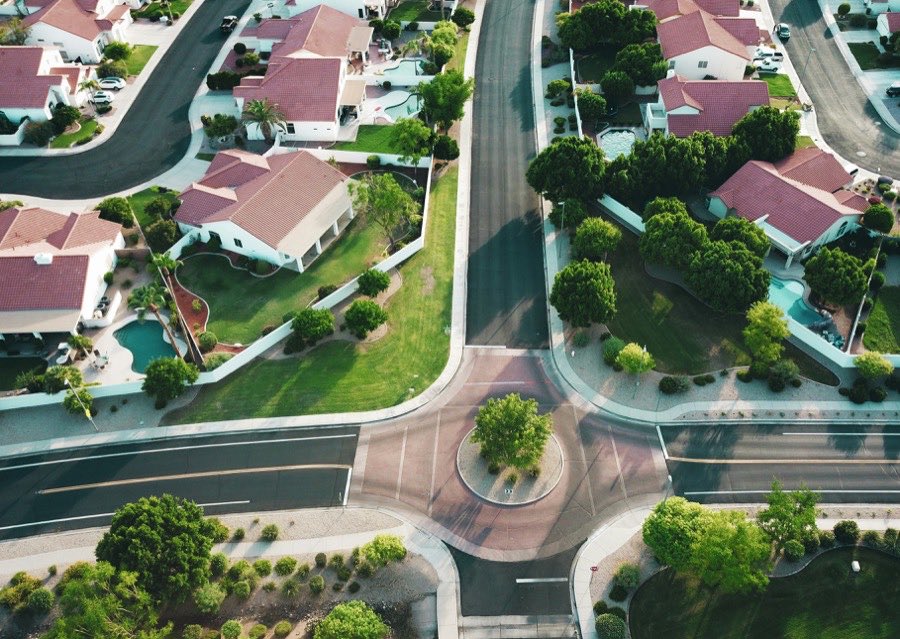
Reserves are the money an association sets aside for major repairs and replacements. Roofs, paving and pools don’t fail on a budget cycle, so the bill can land in one year even though the wear took decades. A reserve study spreads that cost out on paper, so the board can see it coming.
The 2016 edition of the industry’s national standards calls it “a budget planning tool” that identifies what the association has to maintain, where the reserve fund stands, and a funding plan for what’s ahead.
What a reserve study has in it
That edition describes two parts: a physical analysis and a financial analysis.
The physical side covers what the association has to maintain:
- A list of shared components, such as roofs, paving, pools, paint, fences and lighting
- How much of each there is
- The visible condition of each one
- How long each one typically lasts and how many years it likely has left
- What it would cost to replace today
The financial side covers the money:
- The current reserve balance
- The current yearly contribution
- Each year’s expected spending, usually with inflation added. A 2025 explanation of the standards says they require at least 30 years
- A funding plan: how much to save each year
Who owns what
The list starts with the governing documents. If the association has to maintain a component, it may belong in the study. If owners maintain it, it usually doesn’t. Everyday costs, such as landscaping contracts and utilities, usually belong in the operating budget instead.
What a reserve study is not
A reserve study is a planning estimate. It doesn’t promise what a contractor will bid or the year something will fail. Our studies record visible condition. We do not give structural or safety opinions, and if we see possible damage or a safety concern, we tell the board in writing to bring in a qualified specialist.
A study also doesn’t decide anything. The board decides how much to save, whether dues change, and when each project happens, within any rules your state sets.
How boards can use one
- Setting the budget. The funding plan shows what to put toward reserves this year.
- Explaining dues to owners. A 30-year chart is easier to defend than a guess.
- Timing projects. The schedule shows which big years may collide.
- Answering outside questions. Buyers and lenders may ask about reserves.
How common are they?
There are an estimated 373,000 community associations in the U.S., home to about 78 million residents. In a 2026 survey of residents by the Foundation for Community Association Research, 60% said their community has a reserve study, and 22% weren’t sure. If you’re an owner and don’t know, ask your board.
Do we have to get one?
It depends on your state and your governing documents. A June 2026 trade group summary lists 12 states that require a study or reserve schedule for condos. It warns it may contain errors, and it leaves out New Jersey, which has its own study law. So treat 12 as a starting point. In California, the rule covers associations that meet a budget test, and it calls for a site visit at least every three years. Your manager or attorney can confirm what applies to you.
How much should we have saved?
There’s no single right number. Our guide to how much an HOA should have in reserves explains how to work out yours.
What to do next
To see what your numbers look like now, try the runway calculator. To see the format of a finished report, read our sample report, which uses a fictional community. We also explain what’s different for HOAs and condos.
Sources
Try your own numbers. Nothing leaves your browser.